
How Ontario Residents Come Into Focus
A good Ontario residents directory search starts with a clear question. San Bernardino County's Assessor-Recorder-Clerk splits its work across parcels, recorded instruments, and clerk services. Each of those has its own system. The Superior Court holds case files. California's Secretary of State offers a personal voter-status check. The Model Colony History Room preserves the city directories, yearbooks, newspapers, and biography files. None of these is a household list. An assessment record ties a person or entity to a parcel. It cannot prove who sleeps there. A voter lookup authenticates the requester. A directory entry fixes a person at one publication date.
Those limits keep the search honest. A current address clue points to the county property system and a recorded document. A past household calls for directories, census schedules, newspapers, and deeds, worked in order. A known name can be checked against court, vital, business, license, or probate records. A second source confirms the match and avoids a same-name error.
- Write down the name or address exactly as known, including middle initials, unit details, and likely spelling variants.
- Use county property information to turn an address into an APN and keep the situs address separate from any tax mailing address.
- Check the relevant official index, such as a court party search, voter-status form, license search, or business filing search.
- Use the recorder's party index for a recorded link, then use the library's historical shelf when the question reaches into earlier years.
- For an identifiable record that is not online, send a narrow request to the custodian under the California Public Records Act.
Note: A failed hit may reflect a coverage rule or protected record, not proof that an Ontario resident never lived there.
Ontario's Records Offices by Role
The offices behind an Ontario residents directory divide their duties by record type. ARC bundles assessor, recorder, and clerk functions at the county level. Its recorder index catalogs parties and documents. PIMS serves as the starting point for assessments and addresses. The county court controls access to civil, criminal, family, probate, and small-claims cases. The city itself keeps municipal files. It takes requests for existing records through its online portal. Send each question to the office that actually holds the record. That habit alone produces cleaner results.
ARC Recorder-Clerk
Hall of Records
222 W. Hospitality Lane
San Bernardino, CA 92415
909-387-8306
ARC Assessor Services
County parcel and assessment custodian
909-387-8307
San Bernardino Elections
Registrar of Voters
777 E. Rialto Avenue
San Bernardino, CA
Use the current county elections contact
Ontario's municipal records begin with the City Clerk and Records Management office. City Hall sits at 303 East B Street, Ontario, California 91764. The city request portal asks for a description of an existing record, not a request that staff compile a new list. For older residents, the library offers a fourth path. It complements the county custodian rather than replacing it.
From Ontario Residents to a County Parcel
Property Information Management System, or PIMS, is the practical first stop. It works when an Ontario address is the only clue. The county property information page accepts an Assessor Parcel Number or a property address. Enter the street number and name. Then compare the returned situs against the address you started with. The APN opens the door to the map, permits, and tax account. It also unlocks a recorder name search. Remember what it is. It identifies the tax map, not a deed, and not proof of occupancy.
| PIMS control | What it does | Search note |
|---|---|---|
| Assessor Parcel Number | Finds the county parcel record | Use county APN digits; test punctuation if needed |
| Property Address | Starts an address-to-parcel match | Try directional and street-suffix variants |
| Search | Opens the matching property report | Compare situs, parcel, and map details |
A parcel report may list situs, use or property type, tax-rate area, and assessed land and improvement values. It may also include exemptions where publishable, year built, and map links. Online owner details can be suppressed. A mailing address receives tax correspondence. A situs address marks where the parcel sits. The two may match, but that only yields a clue about ownership. It never identifies every household member.
The county ARC service page shows the office path supporting the parcel search. It also shows the recorder-clerk handoff. Review the county ARC service entry point before relying on any field that may have changed.
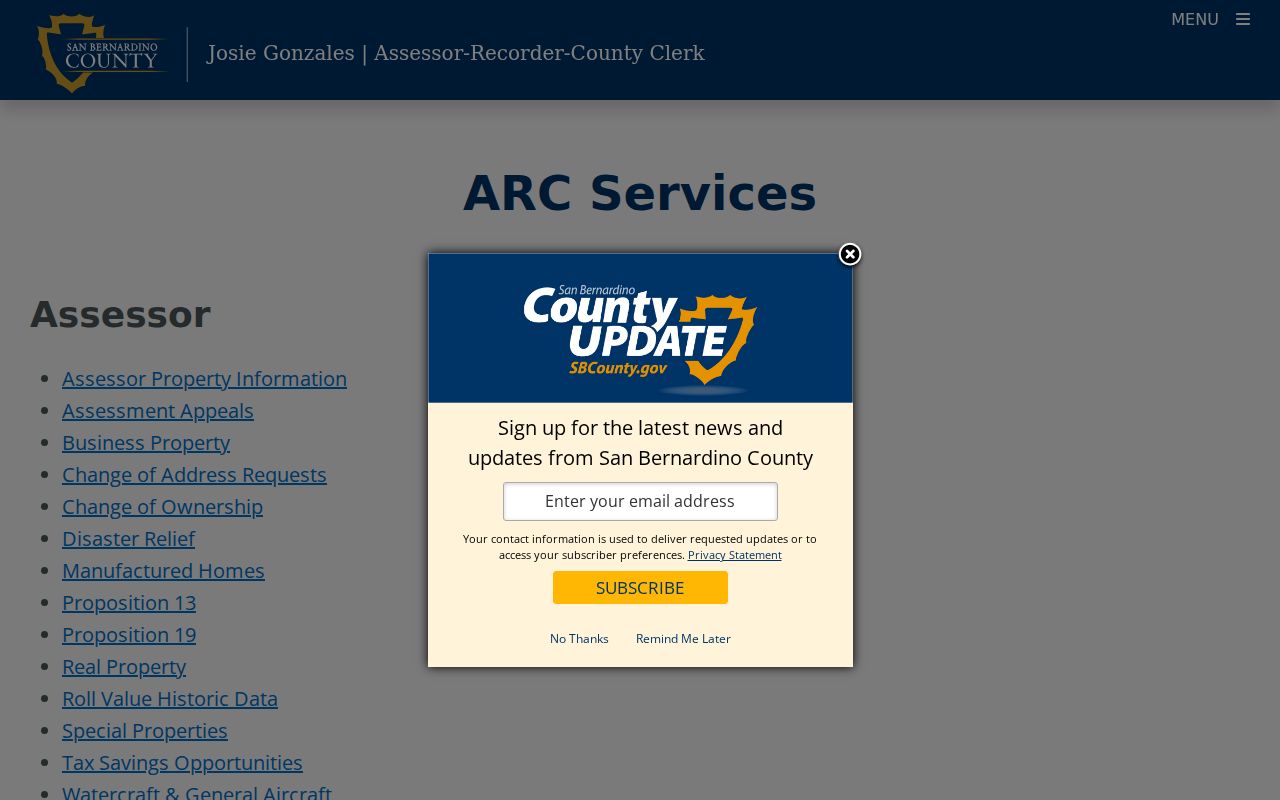
The county service page itself frames the point. Treat PIMS as an assessment tool only. Ownership proof comes from the recorded instrument, and current occupancy demands separate evidence.
The Ontario Recorder Index Has a Boundary
Deeds, liens, easements, and maps all live in the San Bernardino County official-records index. That makes it a genuine resident trail. It names the parties to each recording. It is not an address search, though. The recorder's own workflow is to start in PIMS, find the parcel and its likely owner, and then run that party through the index as a grantor or grantee. A grantor conveys an interest. A grantee receives it. Try every spelling and name order, because the clerk copied whatever the document said.
The open web catalog lists document number, recording date, document title, and grantor and grantee names, plus book and page references where exposed. It does not display the instrument image to the public. The official service page dates the index to 1925. A separate property-research guide describes computerized grantor and grantee access as 1958-present and points to decade-organized microfilm for anything older. That conflict belongs in your research plan. Call Recorder-Clerk Services at 909-387-8306 before treating either cutoff as universal.
Copies run $4 for the first page and $1.50 for each later page. A certificate under seal adds $1.50. Card orders carry a 3.5 percent surcharge. Mail turnaround after receipt runs one to two weeks. In-person inspection is available at the Hall of Records or the Hesperia High Desert Government Center, and appointments are strongly encouraged.
Note: A recorder index entry points to a recorded document; read the deed or lien before drawing a conclusion about a person or parcel.
Current Ontario Resident Sources, Compared
No single current source works as a complete Ontario residents directory. Each one answers a narrower question. The strongest result comes from joining two records without treating either as a household roster, and the table below keeps those roles separate.
| Source | What it can show | Custodian | Access boundary |
|---|---|---|---|
| PIMS assessment parcel | APN, situs, property facts, assessed values | San Bernardino County Assessor | Free; owner data may be suppressed |
| Recorder party index | Recorded parties, title, date, document number | ARC Recorder | Free index; image by copy or office access |
| My Voter Status | One voter's registration and election details | California Secretary of State | Personal identifying data required |
| City permits and files | Applicants, contractors, work, and address events | City of Ontario | Portal or narrow records request; exemptions apply |
| License and entity files | Professional or business affiliation | California DCA or Secretary of State | Public fields vary; an address of record is not residence |
A broad source map is one thing. One person is another. For the individual trail, the Ontario resident lookup path pairs with a note on each record's date, role, and custodian. When the clue is an entire street, the APN and map sequence belongs in the Ontario by-street search.
Ontario Voter Records Are Personal
California My Voter Status is often mistaken for a public voter directory. It is a self-service form. The requester supplies first name, last name, date of birth, and a California driver license or identification number or the last four digits of a Social Security number, depending on the system match. Choose San Bernardino County for an Ontario registration. A successful match can return registration status, party preference, polling and ballot details, precinct or district assignments, language preference, and election participation history.
None of this allows name-browsing on a street. Elections Code sections 2194 and 2188.5 limit voter-file use and shield confidential portions. Driver-license data, Social Security numbers, and signatures stay private. A full voter-file request goes through elections officials or state regulations and demands the requester's identity, organization, purpose, geographic scope, delivery choice, and prohibited-use certifications. A qualified file may support a permitted precinct analysis. It is not a casual neighbor search.
For a person's own record, the California voter-status form is the right starting point. A failed match has many possible causes. Spelling errors are common. A county move, an inactive record, cancellation, confidentiality protection, or a plain data mismatch can also end the search the same way.
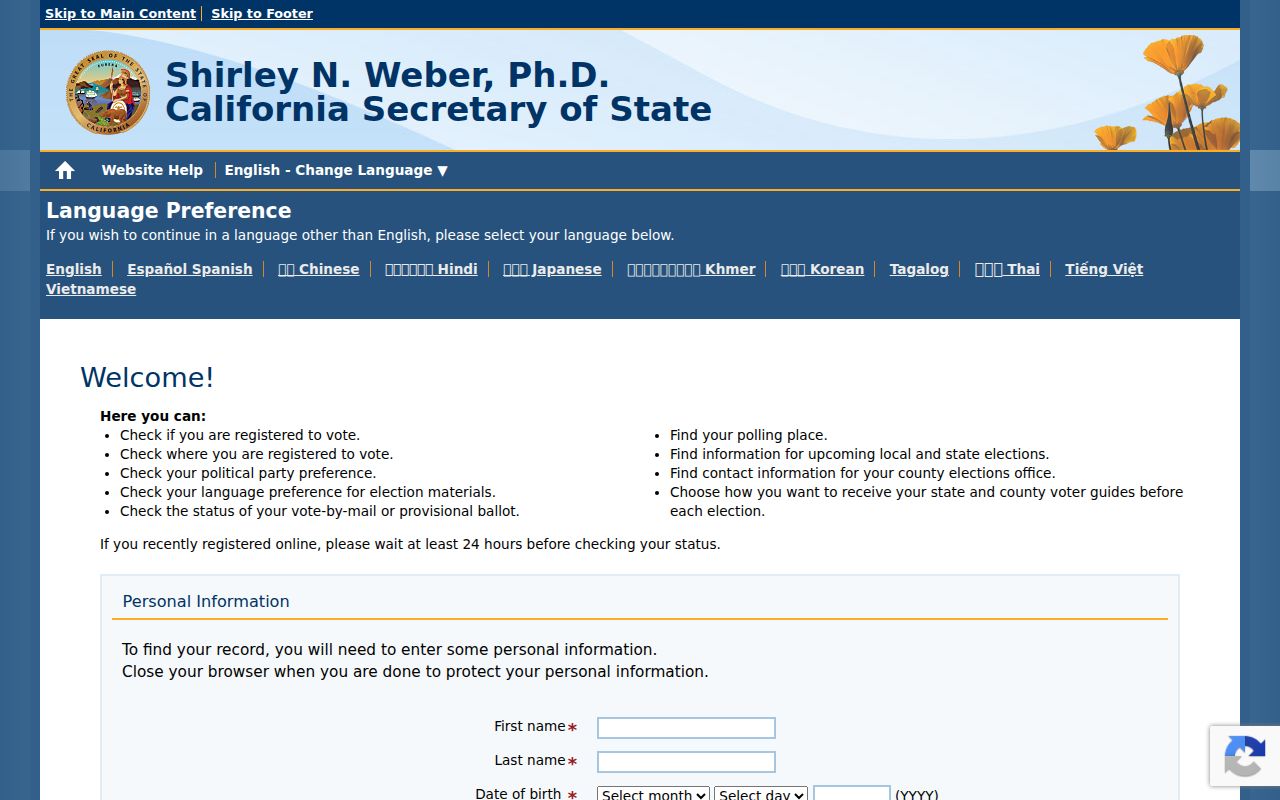
The identifying-data form makes the boundary plain. A residents directory can explain the official route, but it cannot turn a protected voter file into a public block list.
Ontario Vital Records Have Different Rules
Birth, death, marriage, confidential marriage, and divorce records do not share one opening date in California. County ARC usually handles a known San Bernardino County event. Turn to the state Department of Public Health when the county is uncertain. The key question is qualification. An authorized certified copy proves identity. An informational copy carries the same record information. But it is marked so it cannot.
| Record | Custodian path | Access point | 2026 CDPH fee |
|---|---|---|---|
| Birth | County ARC or CDPH | Authorized copy for eligible requester; informational copy otherwise | $31 |
| Death | County ARC or CDPH | Authorized rules apply; informational copy generally available | $26 |
| Public marriage | County ARC or CDPH | Public certified copy route | $19 |
| Confidential marriage | County of issue or CDPH as allowed | Party or court-authorized access under Family Code section 509 | $19 where available |
| Divorce certificate | CDPH for supported years; court for decree | Case-file rules control the decree | $18 |
Authorized birth or death copies by mail generally require a sworn statement and notarization. CDPH keeps the fee either way. It is a search fee even when no record is found. Adoption and original birth records are sealed. Only statutory or court routes open them. The California Vital Records Applications page should be checked at order time. Processing ranges and forms change.
Ontario Court Records Need Context
A court hit is not a residence record. It only shows that a name appears in a case. The San Bernardino Court Access Portal lets you search by case number or by party name, and name mode may expose separate first, middle, and last fields. A case type filter covers civil, criminal, family, probate, small claims, traffic, and other supported categories. Filing date and court location help separate a common name. Data before 1998 may be limited.
A public result can display the case number, caption, party roles, filing date, category, location, status, register-of-actions events, hearing dates, and any disposition or judgment entries. The docket is the court's running event record. Remote civil document images that qualify for access are listed at $0.50 per page. Criminal, family, juvenile, adoption, sealed, and other sensitive material may be limited to an index, a courthouse terminal, a party, or a court order.
Use the county court case-information gateway for the current route, then ask the clerk for a known file if the web index comes up short. Federal cases live in PACER separately. A county search cannot substitute for the federal locator.
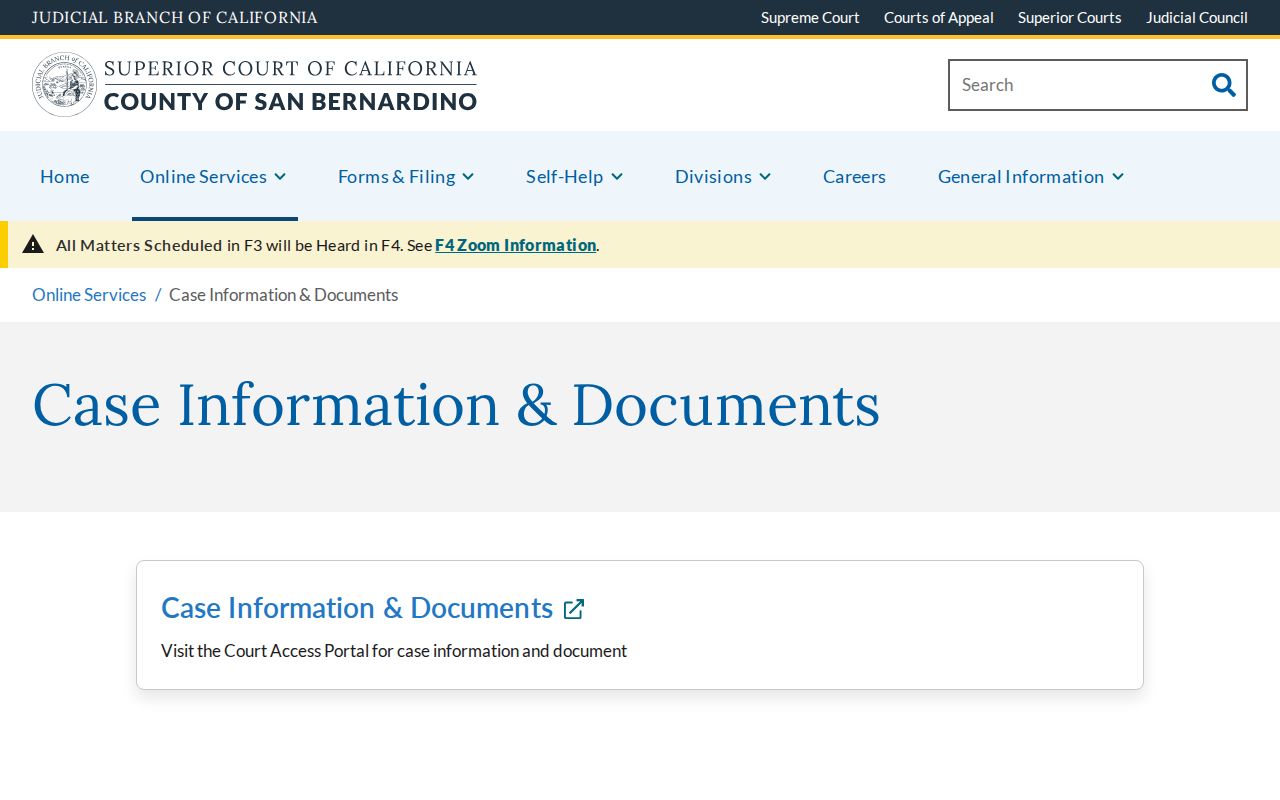
Work the county court screen into a one-person workflow only after the name has been narrowed. Anchor it first with a date, a role, an address clue, or another independent fact. Otherwise the match is a guess.
Ontario's Library Holds Resident Trails
For historical questions that a modern portal cannot settle, Ontario has a strong fallback: the Robert E. Ellingwood Model Colony History Room at the Ovitt Family Community Library. Its shelves hold city directories, a Master Biography File, newspapers plus an online index, building surveys, maps, and historic photographs. Visitors will also find yearbooks from Chaffey, Ontario, and Colony schools. Manuscript collections from families, clubs, organizations, and businesses round out the holdings. Staff welcome questions about ancestors, old businesses, classmates, and historic houses.
Hours run Monday through Wednesday from 1 to 6. Thursday hours run from 1 to 9. Friday hours run from 1 to 6, with weekend closures. The room sits at 215 E. C Street, Ontario, California, and lists 909-395-2206 and LocalHistory@OntariocaCA.gov. Off-site materials need at least one day's notice along with collection and box numbers. Staff retrieve up to four boxes at a time.
Chasing a former classmate often starts with a yearbook. From there the trail can lead to a newspaper notice and a directory entry. It may finally reach a current professional or business record. That evidence path differs sharply from a parcel search. The Model Colony History Room page lays out the local collections. It also describes the help on offer.
When a library clue yields a name, a professional-license record can confirm an official affiliation. The California DCA license search is the matching public route for license fields and discipline information. Disclosure appears where the board permits it.
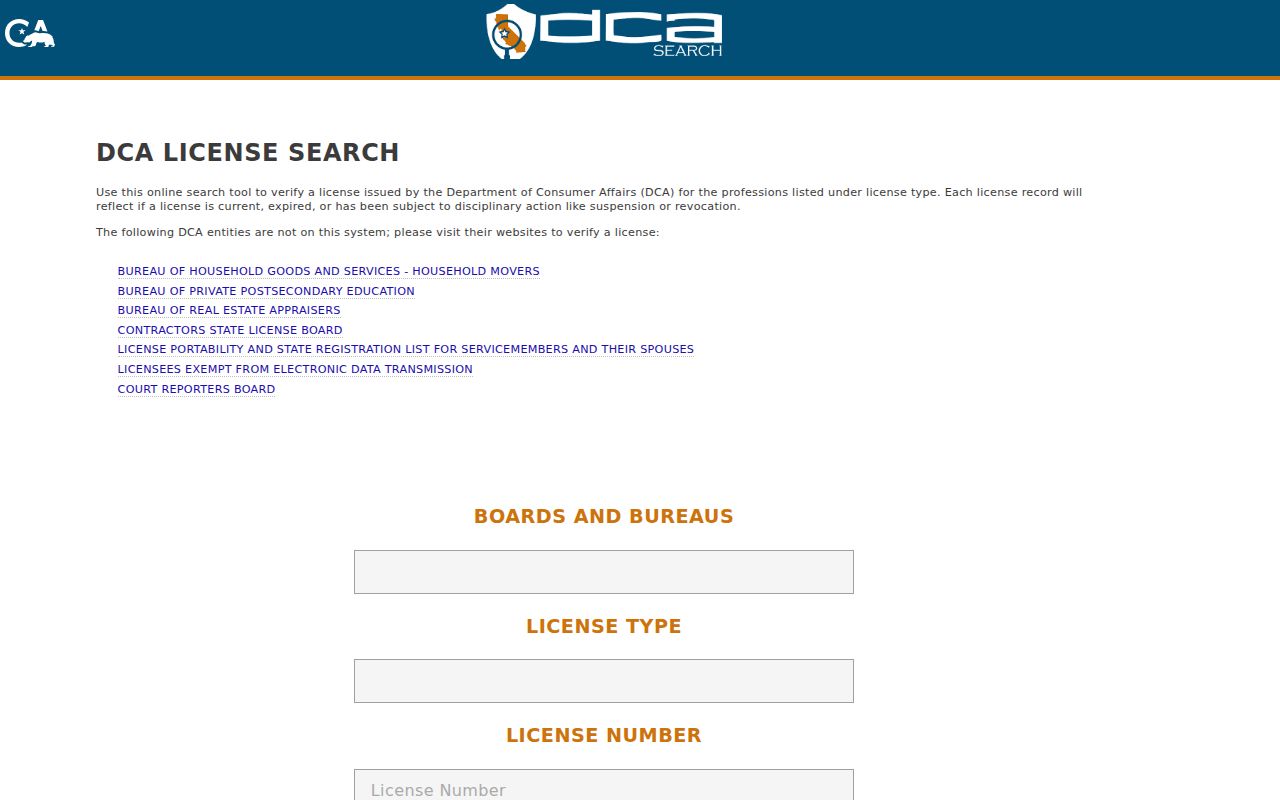
A public credential can add a dated affiliation. It still does not prove where a person lives, so weigh the license clue beside the library evidence rather than treating it as a residence record.
Protect Ontario Records from Error
Names repeat. Ontario's population includes many surnames, compound names, diacritics, and shifting name order. A single hit is only a lead. Build a comparison grid with the exact name and its variants. Add the middle initial, approximate age, city, associated people, APN, case number, business or license number, and dates. Demand two independent records before you treat two entries as one resident. A business agent address or professional address is an address of record. It is not proof of a home.
| Official source | Strength | What still needs checking |
|---|---|---|
| County parcel or deed | Property link, party role, date | Occupancy and current title context |
| Court index | Party role and case events | Identity, complete file, and sensitive access limits |
| Vital record | Event and relationship evidence | Requester eligibility and certified-copy status |
| Business or license file | Public affiliation and status | Whether the address is residential or only a business contact |
Commercial people-finder services merge public and purchased data. They lag moves and deaths. They often charge for clues that still need source checking. Original custodians are stronger. Corrections belong with ARC, the court clerk, CDPH, a licensing board, or the elections office. They never belong with a directory reference page. The California bizfile Online search is the matching official route for an entity clue.
California bizfile Online can verify an entity name, status, agent, address, and filings where available. Read the result as an affiliation clue and compare it with the person's other records.
When Ontario Online Records Stop
Online coverage is a convenience layer, not the beginning of Ontario's records. For deeds predating the computerized cutoff, fall back to the Recorder's main counter, decade-organized microfilm, and the County Historical Archives. You can also try a verified genealogy collection. For municipal files, use the City of Ontario's GovQA portal with a department, record type, address or project, and date range. Add any known permit or case number. The California Public Records Act covers identifiable existing records. It does not force an agency to invent a new resident list.
CPRA inspection is generally free. The agency ordinarily makes a determination within 10 calendar days. It may extend by written notice. The extension can run up to 14 days for unusual circumstances. Direct duplication or statutory electronic-extraction costs can apply. A narrow request beats a demand for every document containing a person's name.
Ontario's public-records request portal asks for requester or account information, a description of the existing record, an optional department or category, and optional attachments. It also requests a delivery or contact preference.
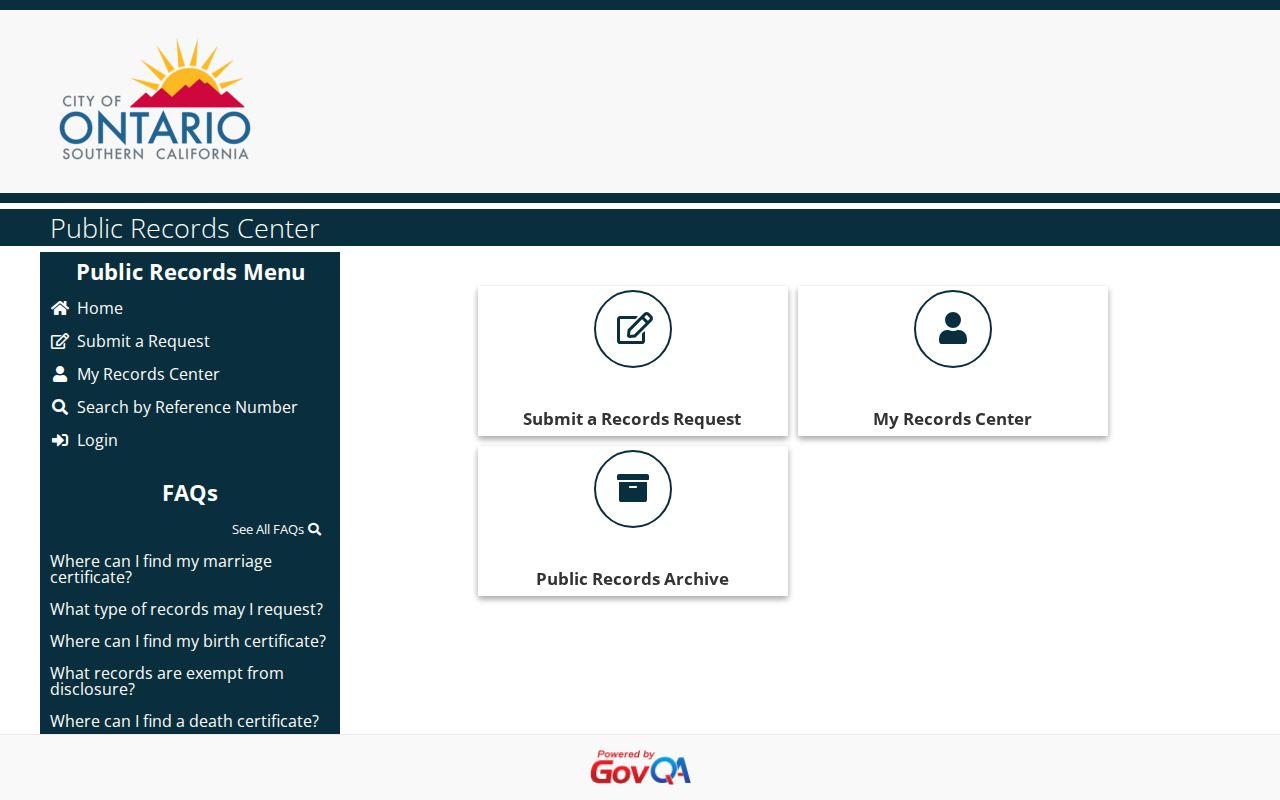
The request screen is the fallback. It applies when a city permit, planning file, or other identifiable municipal record is not exposed through a search page. Use the custodian's terms and preserve the response.
Ontario's Earlier Resident Directory Shelf
Old Ontario directories reward patience. Each volume is a dated snapshot of one year, not a continuous record. The shelf of early titles runs from an 1898 San Bernardino County directory with its Ontario section. It then includes a 1901 city directory. Next come a 1903 colony directory and a 1907 Pomona volume carrying Ontario entries. Later came the 1909-10 Pomona resident and business directory. A 1911 regional effort followed. Pomona directories from 1928 and 1931 round out the shelf. The Model Colony History Room publishes no complete shelf list. So treat these dates as a starting spine rather than a guarantee that every edition sits in the stacks.
Reverse and criss-cross directories let you work from a street and house number. You can trace back to an occupant or business. The trail grows stronger when you pair them with the 1907 Sanborn atlas. Census schedules through 1950, recorded deeds, building surveys, probate files, and newspaper notices help too. An absence in a directory can mean many things. A move, a death, an unlisted entry, a missing edition, or a simple spelling difference all look the same. Note the source, publication year, page, and abbreviation key before drawing any family-history conclusion.
For deeper work, browse Ontario city directories collection by collection. For a current address chain, start with by-street records. The Ontario residents directory serves you best when past and present layers stay clearly apart.
Lawful use. Public records are for personal, lawful research and civic understanding. Do not use an Ontario resident record to stalk, harass, intimidate, or harm another person.